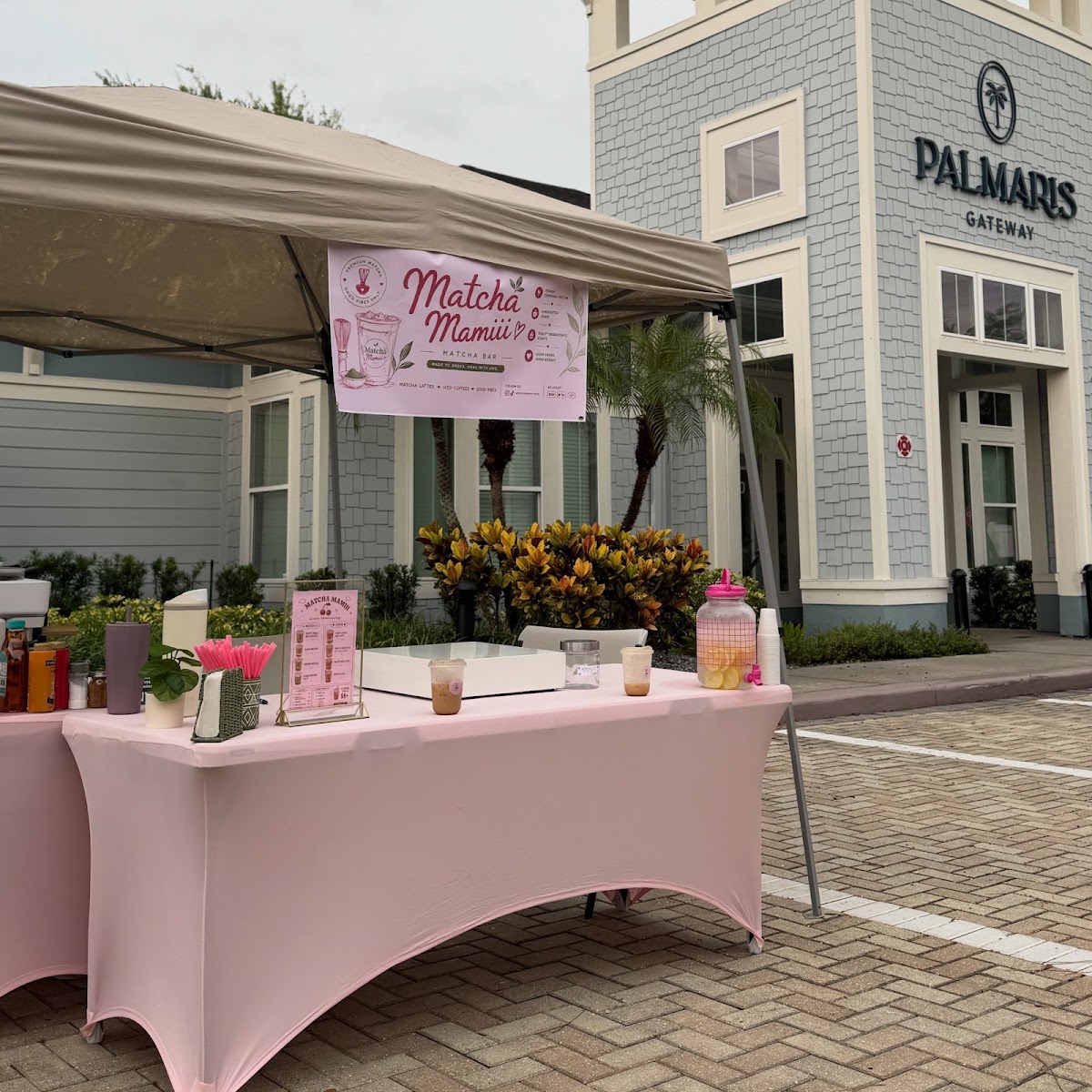
What is a hosted beverage bar?
With hosted service, the apartment community, property manager or event organizer pays for the beverage experience. The quote is built around details such as attendance, service time, menu size, venue access and customization. Residents order from the selected menu without paying at the bar.
This format works especially well when the drinks are meant to feel like an amenity. It removes the awkward moment of inviting residents to an appreciation event and then asking them to purchase the main experience themselves.
Matcha Mamiii’s hosted event packages are designed around a planned drink count rather than a vague promise of unlimited service. That makes the budget clearer and helps the bar prepare for the community’s expected turnout.
What is pay-per-drink service?
With pay-per-drink service, each guest purchases their own beverage at the event. The organizer provides access to the audience and an appropriate place to operate, while the vendor accepts payment directly from guests.
This can be a good fit for a public market, a recurring community gathering or a large activation where people already expect to buy food and drinks. It is much riskier at a small resident event with uncertain attendance, competing refreshments or little advance promotion.
“We have many residents” is not the same as “many residents will attend and purchase.” A useful conversation should focus on actual event history, promotion and the number of people likely to pass the bar during the service window.
Hosted vs. pay-per-drink at a glance
| Decision factor | Hosted service | Pay-per-drink service |
|---|---|---|
| Who pays? | The apartment community or organizer | Each resident or guest |
| Best goal | Resident appreciation, leasing, retention or wellness | Vendor sales at an established high-traffic event |
| Guest experience | Residents order without paying | Residents decide whether to purchase |
| Budget | Planned in advance through a quote | Lower host cost, but sales risk shifts to the vendor |
| Attendance risk | The experience can still be delivered as planned | Low turnout can make the event unworkable for the vendor |
| Promotion needed | Important for participation | Essential for participation and sales |
Choose hosted service when the event is a resident benefit
Hosted service is usually the stronger choice when your message is “this is for you.” Examples include:
- Resident appreciation mornings
- Lease-renewal or retention events
- New-community grand openings
- Fitness classes followed by refreshments
- Poolside or seasonal community gatherings
- Leasing events where the bar supports the property experience
A hosted bar also gives the organizer more control. The menu, service window and planned volume are decided before the event. That makes it easier to coordinate with the leasing team, fitness instructor, decorator or other vendors.
Choose pay-per-drink when the traffic is already proven
Pay-per-drink can make sense when the event itself—not merely the property’s resident count—creates reliable demand. Look for evidence such as:
- Consistent attendance at previous editions of the same event
- A central location residents naturally pass during the event
- Advance promotion through email, resident apps, flyers and social posts
- A clear message that food and beverages will be available for purchase
- No competing free beverage station next to the mobile bar
- Enough operating time for guests to discover the pop-up and order
If those conditions are missing, a hosted package is more respectful of the vendor’s time and more likely to produce the experience the property manager imagined.
How the event schedule changes the decision
A two-hour event is not automatically two hours of steady traffic. The real question is when residents arrive.
A post-workout pop-up may produce one concentrated rush as class ends. A weekday resident breakfast may build gradually as people leave for work. A pool event may have a longer, less predictable flow. Share that pattern when requesting a quote so the menu and drink count can match the moment.
For outdoor events, also confirm shade, rain backup, power and load-in. Our Tampa mobile bar venue checklist covers the practical details to settle before event day.
What should an apartment manager include in the inquiry?
The first message does not need to be perfect. It should include enough information to recommend a format:
- Property name and city
- Preferred date and service time
- Expected attendance—not total resident count
- Event purpose: appreciation, leasing, wellness, grand opening or direct sales
- Hosted or pay-per-drink preference
- Indoor, covered or outdoor location
- Promotion plan and attendance history
- Matcha, coffee or a combined menu
You can compare the available mobile bar services, review resident and wellness event options, and use the planning ranges before reaching out.
The simplest decision rule
If the beverage bar is the amenity, host it. If the event already brings a proven crowd that expects to make purchases, pay-per-drink may work. When the attendance is uncertain but the resident experience matters, hosted service is the safer and more polished choice.
Planning a Tampa Bay resident event?
Tell us the property, date and expected turnout.
We’ll recommend the service model and menu that fit the event.
Request a Matcha Mamiii quote