What “organic” actually tells you
Organic certification focuses on agricultural and processing practices. Farms and handlers must follow defined standards and maintain separation and records through the supply chain. It is a meaningful production claim—not a flavor score.
| Question | Organic beans | Conventional beans |
|---|---|---|
| Farming rules | Certified standards restrict many synthetic inputs | Practices vary by farm and region |
| Traceability | Certification requires documented handling | Can still be highly traceable without organic certification |
| Taste | Can be excellent or average | Can be excellent or average |
| What matters most for flavor | Origin, processing, roast development, freshness, water and preparation | |
Why two beans can taste completely different
Coffee flavor starts with genetics and growing conditions, then changes through fermentation, drying and roasting. A light roast may preserve fruit and floral notes; a more developed roast can bring caramel, chocolate and body. Fresh grinding, correct extraction and balanced milk matter at the bar, too.
What separates Matcha Mamiii
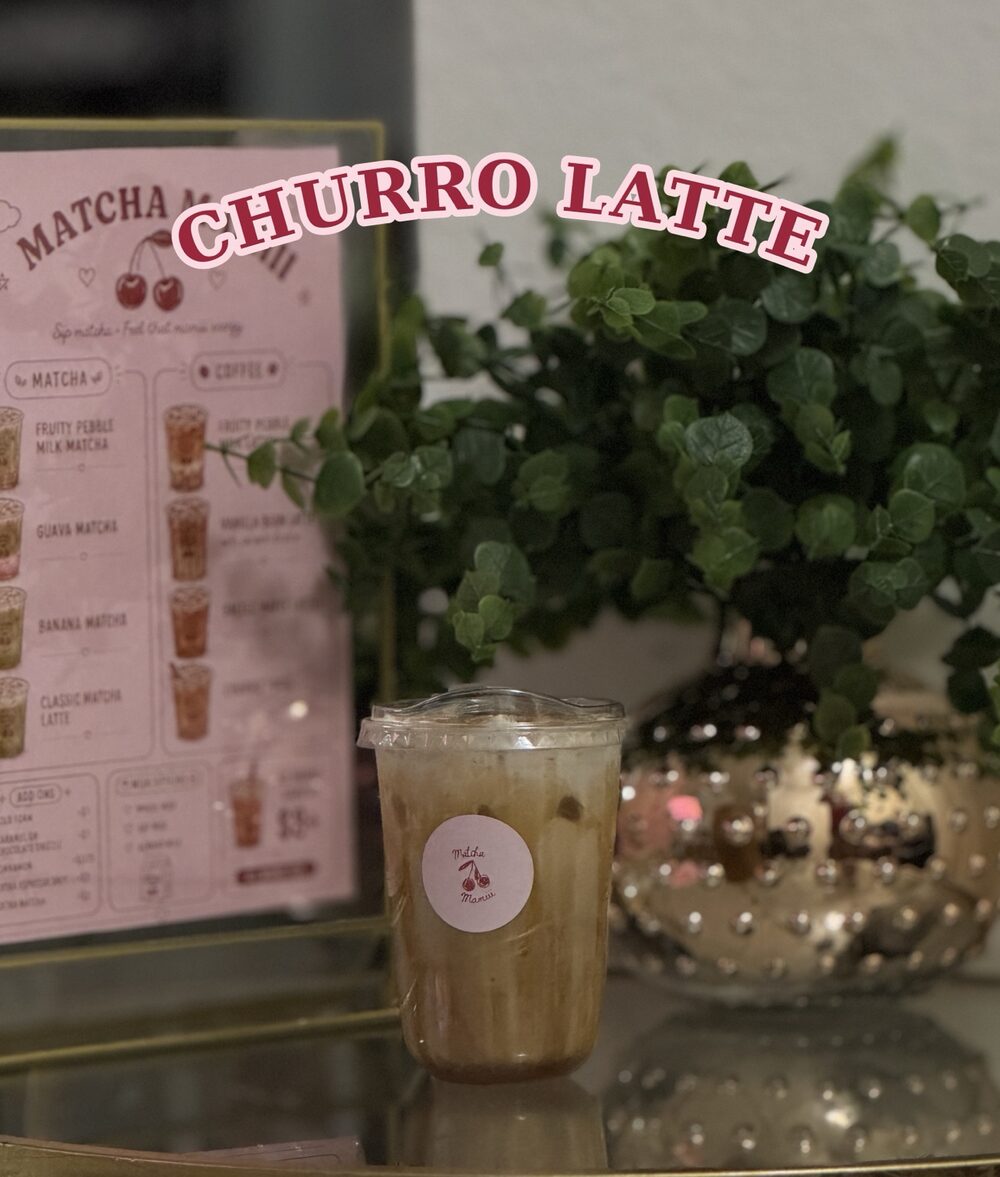
The difference is the complete experience: thoughtfully chosen ingredients, drinks that are balanced rather than overloaded, an efficient mobile setup, and hospitality that makes the bar feel like part of the event. We pair familiar espresso with flavors such as Milk & Honey, Banana Bread, Dulce de Leche and Cookie Butter.
So, should organic matter to you?
If certified production practices align with your values, organic coffee can be a strong choice. Just do not stop at the label. Ask how the beans taste, when they were roasted and how the drink is prepared. Quality is the result of every decision from farm to final pour.