Why matcha quality can taste so different
Matcha is green tea leaf ground into a fine powder, so you consume the whole leaf. Farming, shading, harvest timing, leaf selection, processing, storage and freshness all show up in the cup.
| What to compare | Ceremonial-style matcha | Culinary or everyday matcha |
|---|---|---|
| Typical use | Whisked with water or used in premium lattes | Baking, smoothies and strongly flavored drinks |
| Flavor | Smoother, sweeter, more umami | More assertive, earthy or bitter |
| Color | Often bright, vivid green | Often a more muted green |
| Price | Usually higher | Usually more economical |
“Ceremonial grade” is a clue, not a guarantee
The term can help communicate intended quality and use, but there is no universal government grading standard behind it. Two tins with the same label can taste completely different. Look for a reputable producer, origin information, vivid color, a fresh aroma and packaging that protects the powder from light and air.
What matters in a matcha latte?
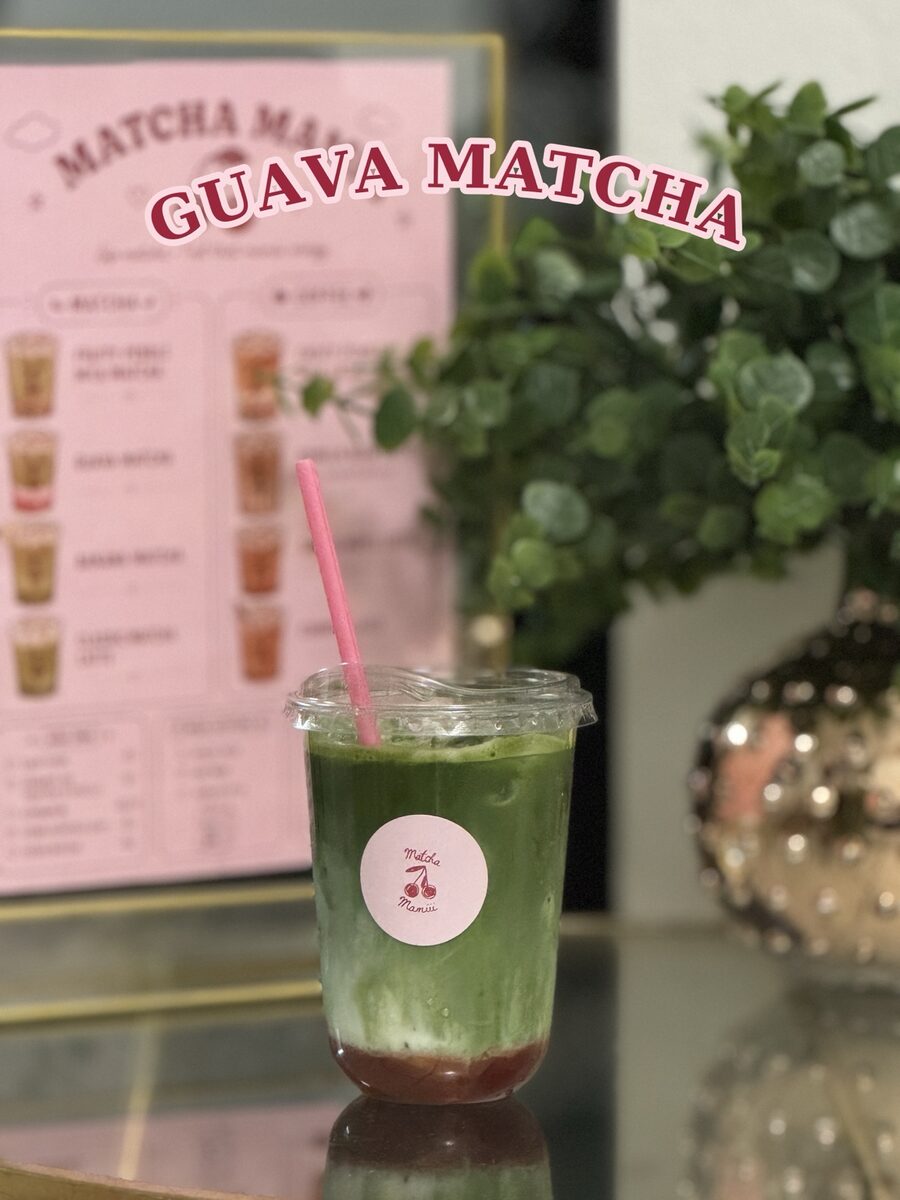
Milk and flavor can soften a rough matcha, but they cannot create the clean finish of a better base. At Matcha Mamiii, the goal is balance: enough matcha character to remain present, sweetness that supports instead of hides it, and flavors such as guava or honey that make the drink memorable.
Which one should you buy?
Choose a smooth, fresh matcha intended for drinking if you enjoy matcha with water or in a lightly sweetened latte. Choose culinary matcha when it will be blended into baked goods or recipes with stronger ingredients. The best choice is the one that fits how you will actually use it.