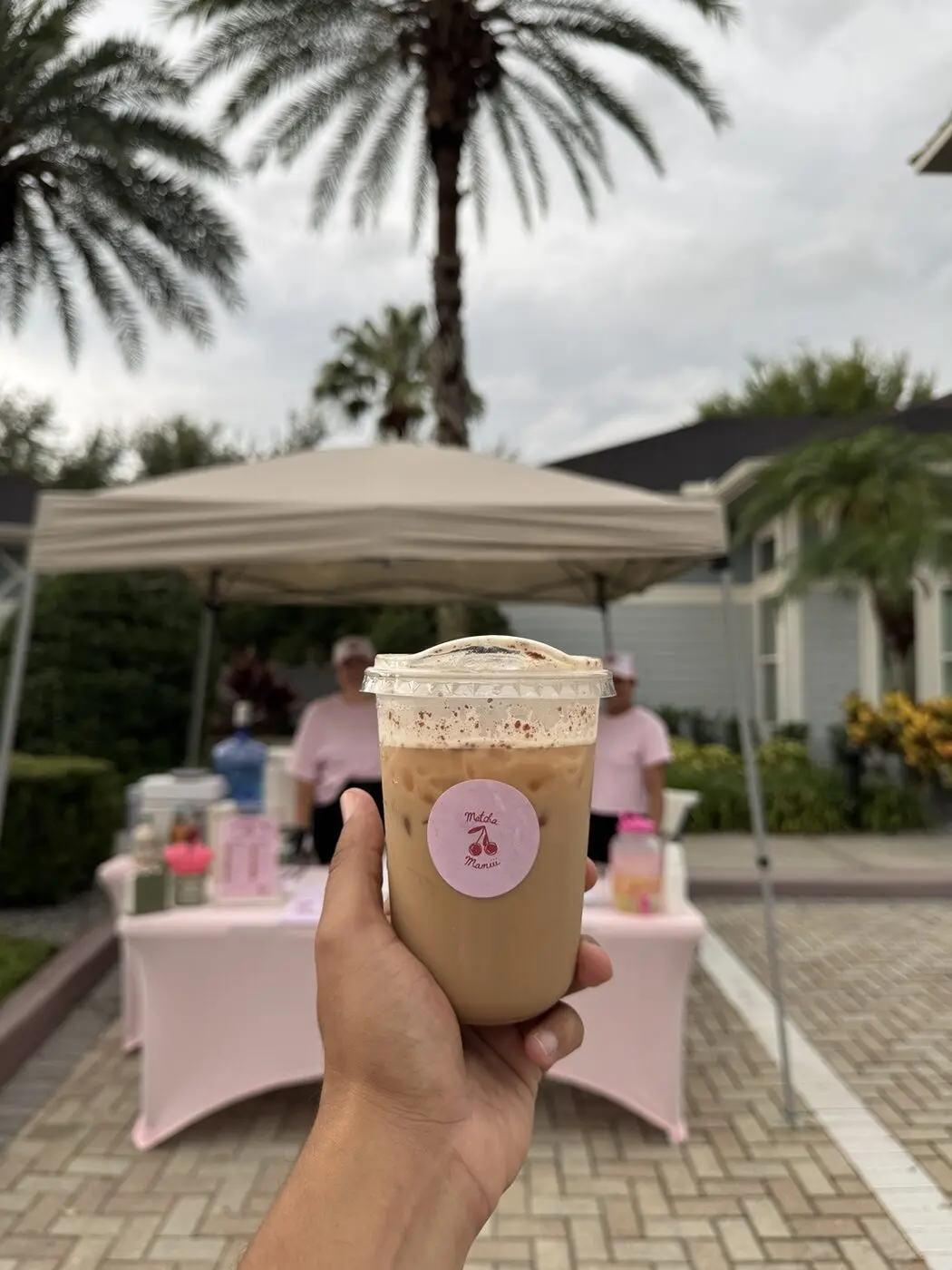
The drink gets photographed before it gets understood
At the bar, guava matcha introduces itself in layers: deep pink fruit, pale milk and a green cap of whisked matcha. That contrast makes the cup easy to notice across a room. It also creates a fair suspicion. Is this a thoughtful drink, or a pretty one built for a camera?
Matcha Mamiii’s latest complete Search Console window offered a tiny clue. “Guava matcha” appeared twice across our homepage and menu, both times around position nine. Two impressions are not a Tampa trend and we will not pretend they are. But the query names a real question our menu needs to answer: what will this combination actually taste like?
The answer begins with guava itself. It is not just generic tropical sweetness.
Guava carries green notes of its own
Pink guava can smell fruity, floral, grassy, citrus-like and lightly caramelized at the same time. A peer-reviewed aroma reconstruction study of pink guava identified key compounds associated with green and grassy, grapefruit-like, fruity, floral and caramel-like impressions. Another guava aroma study found esters, terpenes, aldehydes, alcohols and acids contributing to the fruit’s profile.
That matters because matcha also has a push and pull. Catechins can contribute bitterness and astringency, while amino acids contribute savory depth. In a 2023 green-tea study, umami-related amino acids reduced the perceived bitterness of several catechins under the study conditions. A broader review of matcha production and composition explains that shading is one factor used to encourage greener color, lower bitterness and stronger umami character.
Put those profiles together and the pairing stops looking random. Guava brings fruit and aroma, but also green and citrus-like notes that can meet matcha in the middle. Matcha provides enough bitterness and savory depth to keep the fruit from tasting like melted candy.
So what does guava matcha taste like?
A balanced guava matcha should move through four impressions:
- Bright fruit first. Guava reads as tropical and aromatic rather than as strawberry or mango.
- Soft acidity. A gentle tang wakes up the milk and makes a cold drink feel more refreshing in Tampa heat.
- Creamy transition. Milk rounds the edges between fruit and tea instead of leaving two competing flavors.
- A green finish. Matcha should still be identifiable after the sweetness fades. If all you taste is syrup, the balance is gone.
The first sip may taste fruit-forward when the drink is still layered. Stirring changes the experience: the guava becomes less concentrated, the milk turns lightly pink and the matcha spreads through the full cup. Neither version is “correct,” but a few deliberate stirs give the clearest picture of the recipe.
It should not taste like four separate drinks
A weak recipe stacks sweetness on top of sweetness: sweetened fruit, sweetened milk, sweetened matcha and sweet cold foam. The result may look dramatic but quickly becomes heavy.
The better approach is restraint. Let guava provide the main fruit character. Sweeten the matcha only enough to soften its sharpest edge. Choose milk for texture rather than for another competing flavor. If cold foam is added, treat it as a finish—not a second dessert.
Matcha quality still matters, but labels alone cannot guarantee balance. Our guide to ceremonial-grade versus regular matcha explains why origin, harvest, freshness and the actual recipe deserve more attention than a prestige phrase.
Which milk works best?
| Milk choice | What it does | Best for |
|---|---|---|
| Whole milk | Adds body and softens both tartness and tea bitterness. | A rounder, dessert-leaning cup. |
| Oat beverage | Often brings a mild cereal sweetness and creamy texture. | A soft, fruit-forward profile without dairy. |
| Almond beverage | Can feel lighter and add a noticeable nutty note. | Guests who enjoy a leaner finish and have no tree-nut allergy. |
Brands and formulations vary, so these are tendencies—not guarantees. The FDA recommends comparing labels because plant-based milk alternatives differ from dairy milk and from one another in ingredients and nutrition. For events, “dairy-free” also does not automatically mean allergy-safe; hosts should discuss ingredients and cross-contact honestly with the vendor.
Guava matcha earns its place at an event—but not as the only option
For a company activation, resident event, shower or wellness gathering, guava matcha does two jobs well. It creates an immediate visual talking point, and it gives guests a flavor they are less likely to make at home.
Still, a signature drink should invite curiosity without trapping cautious guests. The strongest event menu pairs guava matcha with a familiar classic matcha and at least one espresso choice. That contrast lets the adventurous order feel special while everyone else still finds an easy yes. Our guide to building a focused Tampa event-bar menu explains why fewer well-chosen drinks usually serve a crowd faster than a giant list.
Before adding it to a hosted menu, ask three useful questions:
- How sweet is the guava component? The answer determines how much additional sweetener the matcha needs.
- Will the drink be layered or fully mixed? The visual presentation affects both service speed and the first sip.
- Can guests choose their milk? More options improve flexibility, but too many choices can slow a rush.
The verdict after the second sip
Guava matcha is not successful because pink and green photograph well together. It works when the fruit’s tropical, citrus-like and grassy aromas brighten matcha’s deeper green character, while milk connects the two.
The test is simple: after the surprise of the first sip, does the second still make sense? When fruit, tea, milk and sweetness remain distinct but cooperative, the answer is yes.
Matcha Mamiii serves guava matcha as part of its mobile matcha bar for Tampa Bay events. Explore our event-planning ranges, then tell us the guest count, venue and atmosphere you want the menu to create.
Put the signature drink on the guest list
Want guava matcha at your Tampa Bay event?
Share your date, city, guest count and service window. We’ll recommend a focused matcha-and-espresso menu and prepare a custom quote.
Request your quote